What to Do If You've Been Scammed: A Step-by-Step Guide
Immediate Steps to Take If You've Been Scammed
The first hour matters. Even if you’re unsure whether it was a scam, it’s safer to respond like it was and sort out the details later. Your goals are to cut off access, preserve evidence and notify the right people in the right order.
Stop All Communication with the Scammer
Once you realize something’s off, stop engaging. Scammers often keep you talking to delay your response or push you into sending “one last payment.”
- Don’t reply to texts or emails
- Hang up phone calls and don’t call back the number they used
- Don’t click any links they sent
- Block the number, email address and social media account
If the scammer contacted you through a marketplace or messaging app, use the platform’s block and report tools too. Cutting off communication keeps you from being pressured into giving more information or money.
Document Everything Before It Disappears
Scam messages, fake receipts and profiles can vanish fast. Take a few minutes to gather proof before it’s deleted or edited.
Capture and save:
- Screenshots of texts, DMs, emails and ads
- The phone number, email address and any usernames involved
- Transaction details (date, amount, payment method and confirmation number)
- Any shipping information, tracking numbers or product listings (for shopping fraud)
- Voicemails, caller ID details and call logs (for phone scams)
If you used a computer, consider saving the webpage link and printing the page to PDF. If you used a mobile device, back up screenshots so you don’t lose them if you replace your phone.
Who to Contact First (Priority Order)
When you’re stressed, it’s easy to bounce around. Use this priority order to stay focused:
- Your bank or card issuer (to stop payments, lock cards and start a claim)
- The payment service (Zelle®, wire, ACH, wallet apps, gift card company or crypto exchange if involved)
- The platform where it happened (marketplace, social media site, email provider)
- Credit bureaus (if personal info was exposed or you suspect identity theft)
- Authorities and reporting sites (FTC, FBI IC3, state consumer protection)
Start with money movement first. The sooner you contact your bank or card issuer, the sooner they can help you secure accounts and begin the dispute process.
Related read for a quicker checklist: What to Do If You’ve Been Scammed and How Five Points Bank Can Help
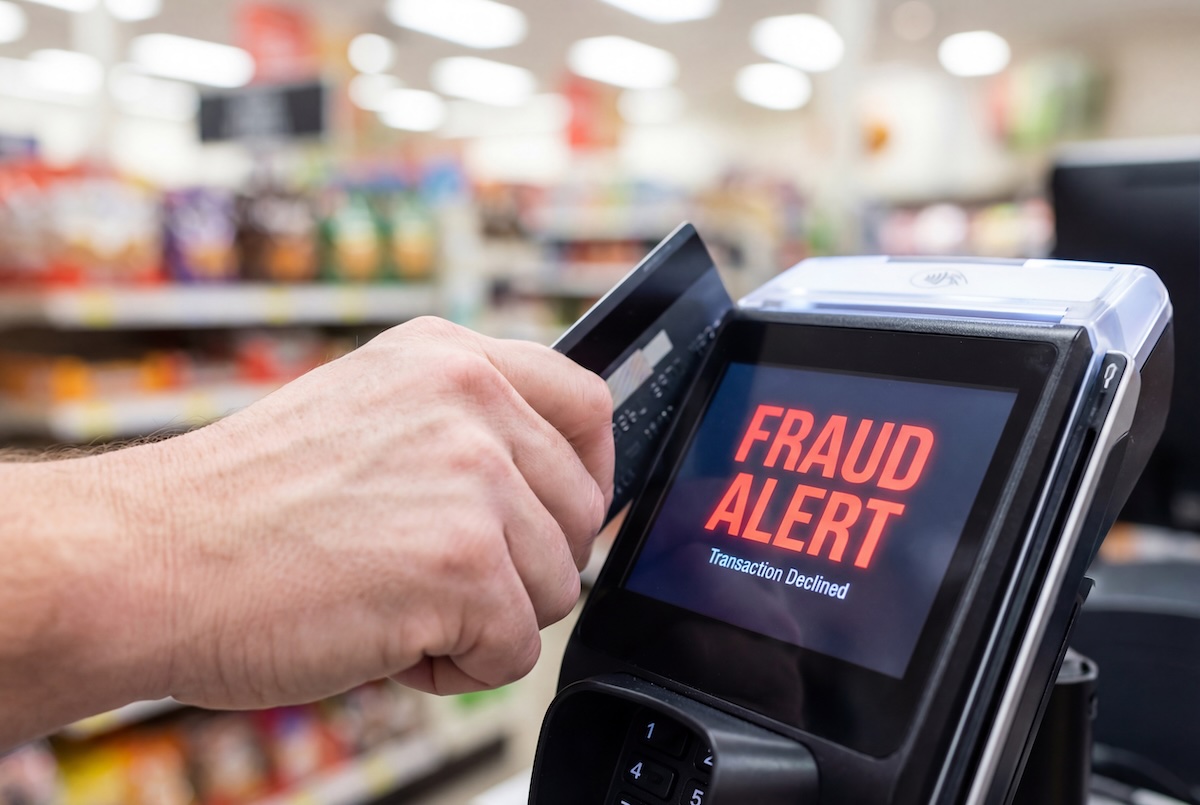 How to Report Phone Scams to Authorities
Phone scams still work because they feel personal. Scammers can spoof real numbers, copy scripts from legitimate call centers and make threats sound official. Reporting matters even if you didn’t lose money because it helps patterns get flagged.
Reporting to the FTC and FBI
Two key places to report phone scams:
- FTC: If you want to report scam to FTC, use the FTC’s fraud reporting site. It’s designed for scams, fraud and bad business practices.
- FBI IC3: If the scam involved money sent online, bank transfers, gift cards or any cyber-enabled element, file a complaint with the FBI’s Internet Crime Complaint Center (IC3).
When you file, include the caller’s number (even if spoofed), what they claimed, what they asked you to do and how payment was requested.
Quick warning sign: Legitimate agencies don’t demand secrecy or immediate payment over the phone. If anyone claims you’ll be arrested unless you pay right now, it’s a scam.
Filing a Complaint with the Nebraska Attorney General
If you’re in Nebraska, you can also report scams to the state. The Nebraska Attorney General offers options to report a scam or file a consumer complaint online.
This can be helpful if the scam involved a business, a contractor, a “prize” offer or a local-looking operation. State reporting also supports investigations and consumer alerts.
How Your Report Helps Stop Scammers
It’s normal to think, “My report won’t change anything.” It can.
Reports help authorities:
- Spot trends (like the same script used across many calls)
- Connect victims to a common sender, phone system or payment route
- Send warnings to the public
- Support cases that can lead to account shutdowns and arrests
Even if you didn’t lose money, reporting can be part of protection against fraud for your community.
Related read: Don’t Fall for the Call: How to Recognize and Stop Phone Scams
How to Report Email and Text Scams
Email and text scams usually aim for one of two things: your login credentials or your payment details. Many are designed to look like a bank alert, a delivery notice or a password reset.
Forwarding Phishing Emails to Authorities
If you received a phishing email, don’t click anything inside it. Instead:
- Forward the email to the Anti-Phishing Working Group (APWG) at the address they provide for public reporting (often shared as [email protected])
- Report it through your email provider’s “Report phishing” option
- If the email impersonates your bank, send a copy to your bank’s fraud team (ask your branch or customer service for the preferred address)
Forwarding helps security teams analyze the scam and block similar messages.
Reporting Smishing to Your Carrier
Smishing is phishing by text message. If you get a suspicious text:
- Don’t tap the link
- Forward the message to 7726 (SPAM) to report it with many major carriers
- Then delete it
Also consider turning on spam filtering in your phone settings and enabling multi-factor authentication for accounts linked to your phone number.
Reporting to the Anti-Phishing Working Group
APWG collects scam reports and shares verified data with members who work on takedowns and automated defenses. If you’re already forwarding phishing emails, you’re doing something that can help protect others too.
One more step that often helps: if the message pretended to be a real business, go to that business’s website (by typing the web address yourself) and look for their fraud reporting instructions.
Related read: Don’t Get Hooked: How to Spot and Stop Text Message Scams
 How to Recover from Online Shopping Fraud
Shopping scams spike during holidays and big sales, but they happen year-round. The goal might be stealing your card number, shipping you counterfeit goods or taking payment and never sending anything.
If you’re wondering how to get money back from scammer activity online, your best chance usually comes from acting fast through your payment method.
Disputing Charges with Your Card Issuer
If you paid with a credit card or debit card, contact the issuer right away to dispute fraudulent charges. Ask for the quickest way to file a claim and what documentation they need.
Helpful info to provide:
- Order confirmation, receipts and screenshots
- The merchant name as it appears on the transaction
- Any email or chat history with the seller
- The product page link or listing details
If your card details may have been exposed, request a new card number. If you used online banking, review recent transactions and set up alerts.
Reporting to the Retailer or Marketplace
If the purchase happened on a marketplace or platform:
- Report the seller and listing
- Save the case number
- Follow the platform’s dispute steps
- Watch for fake “support” messages (scammers sometimes pose as the platform after you report)
If the scam site is pretending to be a well-known retailer, report the impersonation to that retailer too. They often have dedicated forms for fake sites.
Getting a Refund Through Payment Protection
Your refund options depend on how you paid:
- Credit card: Often has strong protections for unauthorized charges and billing disputes
- Debit card: Protections exist but timing matters, so don’t wait
- Payment apps: Some offer limited purchase protection, others treat payments like cash
- Wire transfers and gift cards: Usually hard to reverse once sent
- Crypto: Typically difficult to recover
This is why “too-good-to-be-true” deals are risky. Scammers want you to use payment methods that are harder to reverse.
Related read: Holiday Online Shopping Scams and What to Watch For
How to Protect Yourself After a Data Breach
Not every breach leads to fraud, but it can raise the risk of account takeovers and identity theft. If you’ve gotten a breach notice, treat it as a signal to tighten security now.
 Changing Passwords and Security Questions
Start with accounts that could lead to money movement:
- Email accounts (because password resets often go there)
- Online banking and payment apps
- Retail accounts with saved cards
- Phone carrier account (to prevent SIM swapping)
Use long passphrases, don’t reuse passwords and avoid security questions with easy-to-find answers (like your high school or pet name). If available, use an authenticator app instead of text-based codes.
Monitoring Your Credit for Suspicious Activity
Breach notices often include advice like “watch your accounts,” but it helps to be specific:
- Check bank and card transactions daily for the next few weeks
- Review statements carefully when they arrive
- Consider free credit monitoring options if offered
- Pull your credit reports and look for new accounts you don’t recognize
If you see anything suspicious, act right away. Early action is the heart of identity theft recovery.
Signs Your Identity Has Been Stolen
Here are common red flags:
- You’re denied credit for no clear reason
- You get bills or collections notices for accounts you never opened
- You see unfamiliar inquiries on your credit report
- Your mail suddenly stops arriving (address change scams happen)
- You can’t log in because your password, email or phone number was changed
If any of these happen, focus on account security first, then credit protection steps like alerts or freezes.
Related read: New Scam Alert: Hackers Exploiting Public Records to Target You
How to Dispute Fraudulent Charges with Your Bank
When money leaves your account without permission, speed and clarity help. Calling quickly also reduces the chance the scammer can keep trying.
Time Limits for Reporting Fraud
Reporting timelines can vary by payment type and bank policy, but two general rules can help:
- Report as soon as you notice anything suspicious
- Review statements and report unauthorized transfers quickly because consumer protections can depend on when you notify the bank
For credit cards, billing dispute timelines are often tied to when the statement with the error was sent, so don’t wait “to see if it fixes itself.”
If your card is lost or stolen, reporting it right away is even more important.
What to Expect During the Investigation
People often feel stressed because they don’t know what happens next. While each situation is different, a typical bank fraud investigation process may include:
- A review of transactions, device logins and account changes
- Questions about when you noticed the issue and how you were contacted
- A request for supporting documents (screenshots, receipts, police report numbers if you have them)
- Temporary steps like new card issuance, account credential resets or added monitoring
During the review, keep notes about who you spoke to and when. Ask what follow-up to expect, how you’ll receive updates and what you should do if the scammer contacts you again.
Your Rights Under Federal Law
Federal rules can limit your liability and set standards for resolving errors, especially for electronic transfers and credit card billing disputes. The details depend on the payment method and timing, but the most practical takeaway is simple: report quickly, provide documentation and follow the bank’s steps for submitting your dispute.
If you’re not sure whether a charge is “fraud” or a “billing error,” your bank or card issuer can guide you through the right path.
Local help matters: If you bank with Five Points Bank, reach out right away so the team can help you secure access, review options and document the event.
How to Place a Fraud Alert or Credit Freeze
When scammers have enough personal information, they may try to open new accounts in your name. That’s where credit alerts and freezes help.
Fraud Alert vs. Credit Freeze Explained
If you’re comparing a credit freeze vs a fraud alert, here’s the simple difference:
- Fraud alert: A notice on your file asking lenders to take extra steps to verify identity before issuing credit
- Credit freeze: Restricts access to your credit report so most lenders can’t pull it to open new credit
A fraud alert can be easier if you still expect to apply for credit soon. A credit freeze can be stronger if you don’t plan to open new credit in the near future. The FTC explains both options and notes that freezes are free under federal law.
How to Contact the Three Credit Bureaus
You can place alerts and freezes with the three major bureaus:
- Experian
- Equifax
- TransUnion
For a fraud alert, you generally only need to contact one bureau and they’ll share it with the others (policies and steps can change, so follow the bureau instructions carefully). For a credit freeze, you typically place it with each bureau.
When you set up your accounts, store your PINs or freeze codes in a safe place so you can lift the freeze later when you need it.
How Long Alerts and Freezes Last
Fraud alerts and freezes don’t last the same amount of time:
- The FTC notes that an initial fraud alert lasts one year and an extended fraud alert lasts seven years for identity theft victims with proper documentation
- A credit freeze generally stays in place until you lift it (temporarily or permanently)
If you’re not sure which to choose, start with the option that matches your next 30–90 days. If you’re actively applying for a Home Mortgage or Agriculture Loans, for example, a fraud alert may be less disruptive than a full freeze.
Related read: Stop and Think: How to Protect Yourself from Scams
Next Steps and Ongoing Support
Getting scammed can leave you angry, embarrassed or exhausted. Those feelings are normal. What matters is putting a plan in place and taking one step at a time. In many cases, how to overcome fraud looks like a short list done consistently: secure your accounts, report what happened, document everything and monitor credit and transactions until you’re confident the risk has passed.
If you want help locking down your accounts or reviewing suspicious activity, contact Five Points Bank.
You can also learn more about the bank’s story and commitment to Nebraska communities here: About Five Points Bank
Helpful banking resources:
Before you close this page, re-read your top three actions: stop contact, save proof and notify your bank or card issuer. If you came here looking for what to do if you get scammed, start those steps now, then keep working down the sections above until you’ve fully secured your accounts.
Disclosures
Member FDIC. Equal Housing Lender.
Investment and insurance products are not FDIC insured, are not deposits, are not bank guaranteed and may lose value.